
Mentors Explained
In July 2021, the General Secretariat for Vulnerable Persons and Institutional Protection (formerly SSPUAM) launched the Mentorship Project with the support of the European Union Agency for Asylum (EUAA). The Project is led by a network of six trained mentors – former unaccompanied children – who joined forces with the aim to support and empower unaccompanied children in Greece throughout their reception path. Since the beginning of the project, over 1 385 unaccompanied children have benefitted from mentors’ peer-to-peer support and in 2023 alone over 68 activities and 46 on-site visits to accommodation centers for children have been conducted.
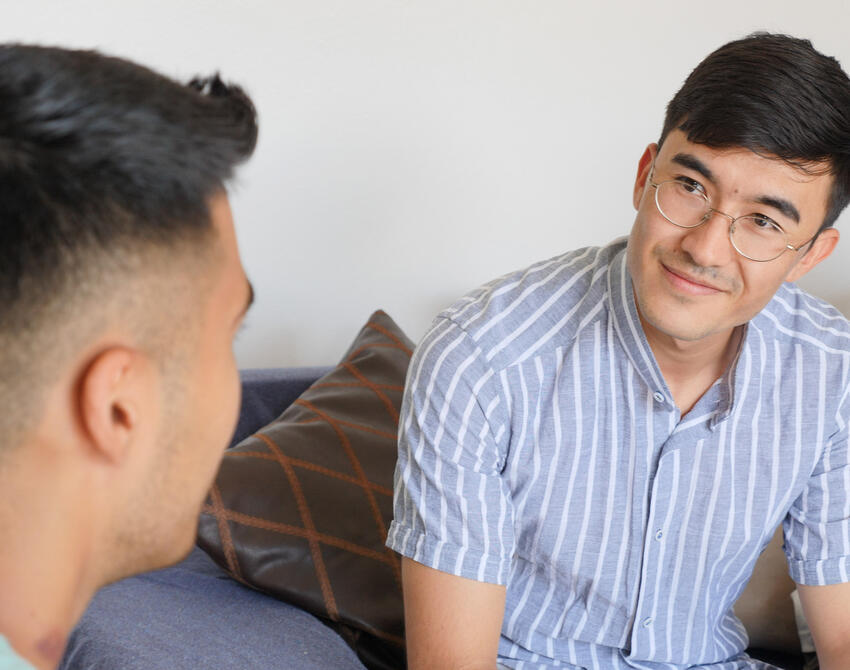
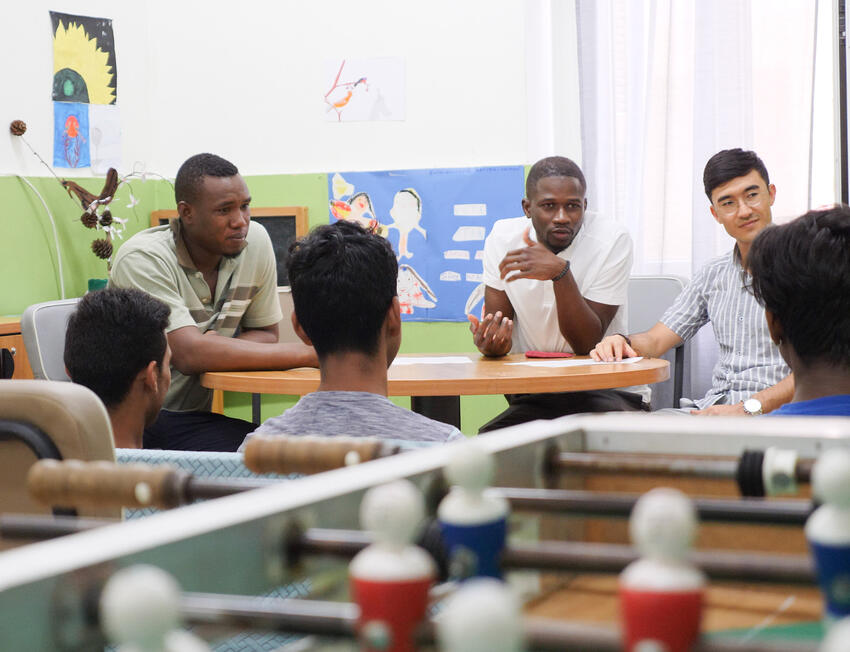
The mentors provide guidance and support through their lived experiences ensuring maximum youth engagement and child participation. They reach unaccompanied children through field visits, online tools, focused group discussions, targeted information sessions, awareness raising sessions, Teens’ Network, information videos, outdoor activities, guided tours, sports activities, well-being & mental health interventions, and more. Mentor’s visits in public schools and their participation in various fora aim at establishing meaningful linkages between the refugee community and youth in Greece.
The significance of the mentorship project lies on the fact that for the first time former unaccompanied children are working in the Ministry of Migration and Asylum of Greece supporting children’s welfare and protection. Each visit underscores the apparent ease with which children establish a trusting relationship with mentors, sharing concerns and expressing anxieties about their future. After two years, it is evident that children feel safe expressing themselves within their network and among people from their own communities.
EUAA’s essential support includes staff recruitment, funding, coordination, and capacity building through training. More recently, the Agency supported the Mentors in creating a YouTube series aiming at familiarising children with important issues such as the mentoring support, guardianship, access to public services, learning the Greek language, maintaining personal hygiene and budget planning. The video series uses simple and understandable language in an effort to inform and reach an even larger number of children in need of support for their first steps in Greece. The videos are in Greek, with subtitles available in English, French, Farsi, Arabic, Urdu, and Pashto.
Watch the first video #MentorsExplained